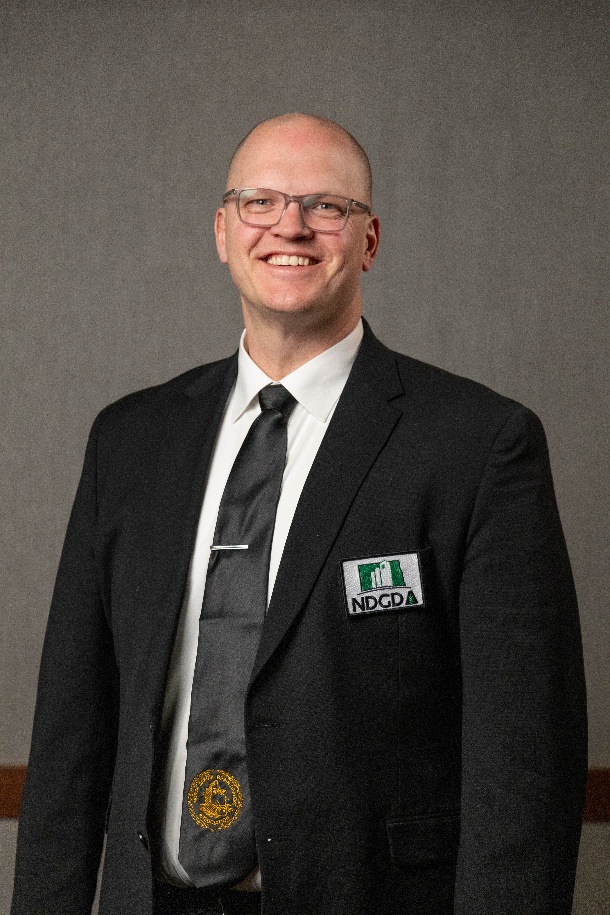
President
Dan Mostad
General Manager, Berthold Farmers Elevator LLC
The Association of North Dakota Agribusiness (ANDA) was formed by the merger of the North Dakota Agricultural Association and the North Dakota Grain Dealers Association. The two organizations joined and began operations as ANDA on June 1st 2026.
ANDA serves as the unified voice for North Dakota’s commercial agribusiness sector, supporting member success through advocacy of fair trade, sound policy, and industry expansion. We represent and further the interests of cooperative associations and independent concerns of North Dakota, engaged in the handling, supplying, processing, marketing, storage, and distribution of grain, seed, chemical, fertilizer, equipment, agronomy products, and other like commodities.
The roots of the North Dakota Agricultural Association began in the early 1960’s when the North Dakota Plant Food Association, the North Dakota Agricultural Chemicals Association, and the North Dakota Seed Trade Association were formed as separate entities representing the fertilizer (and fertilizer equipment), chemical, and seed industries in North Dakota. In 1970 the three groups merged and became the North Dakota Agricultural Association which represented wholesalers, suppliers, retailers, and dealers of agricultural seeds, chemicals, fertilizers and related equipment and services until the merger with NDGDA.
The beginning of the North Dakota Grain Dealers Association is traced to May 23, 1911, when a group of elevators met in Devils Lake. During that meeting, the fledging organization assumed the name of “Farmers Grain Dealers Association of North Dakota.” An immediate priority of the new association was the establishment of more-uniform and accurate bookkeeping systems among the state’s farmers elevators. The Association held its first official annual convention in Valley City in March of 1912. Along with a recommendation to adopt the national elevator accounting system. In the mid-1970s its name was substituted with the North Dakota Grain Dealers Association which it went by until its merger with NDAA.
In November 2025, the North Dakota Agricultural Association (NDAA) and the North Dakota Grain Dealers Association (NDGDA) announced their intention to merge. Both organizations share a common mission of representing the interests of commercial agriculture in North Dakota: NDAA representing the commercial ag retail industry and NDGDA representing the commercial grain industry.
NDAA passed the merger vote in December 2025 and NDGDA passed it in January 2026. The two organizations each selected six members to serve on the board of the new organization. In February 2026, the new board met to select a name and elect officers.
The name for the merged entity is the Association of North Dakota Agribusiness (ANDA), which began operation on June 1st, 2026.
NDAA & NDGDA Merger Vote Passes — New Name & Board Selected. For more information contact: Stu Letcher, Exec Director/Exec Vice President at (701) 235-4184.
ANDA is led by elected officers and a board representing North Dakota's grain and agribusiness industries.




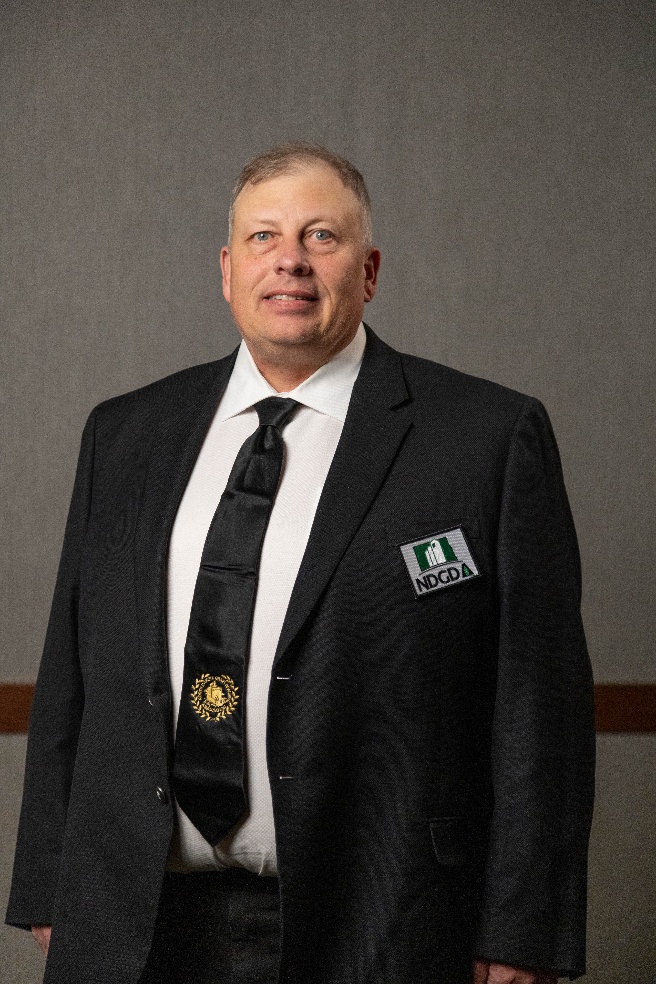
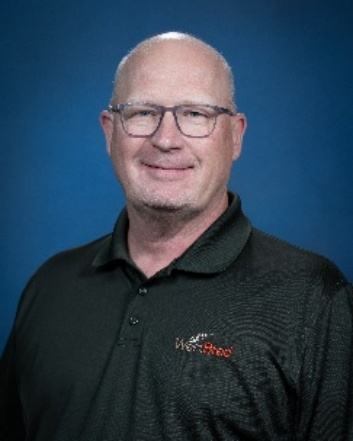
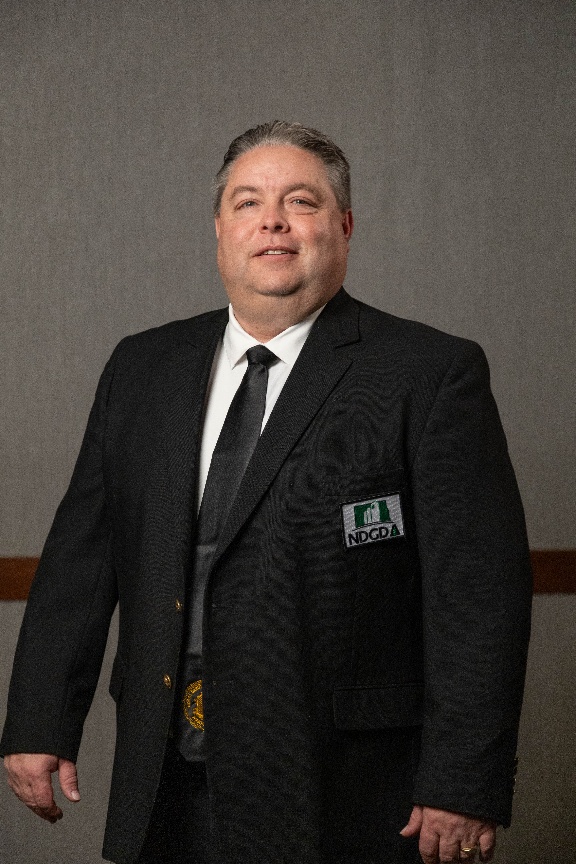
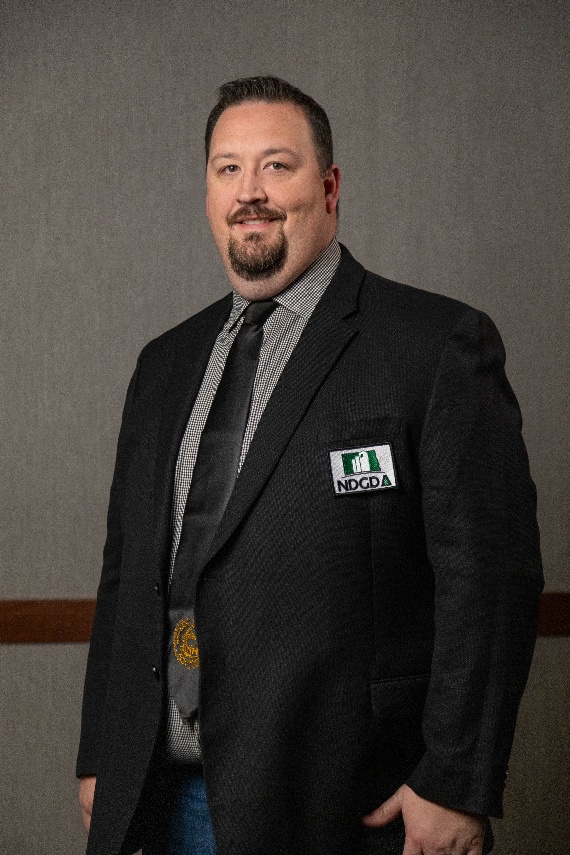
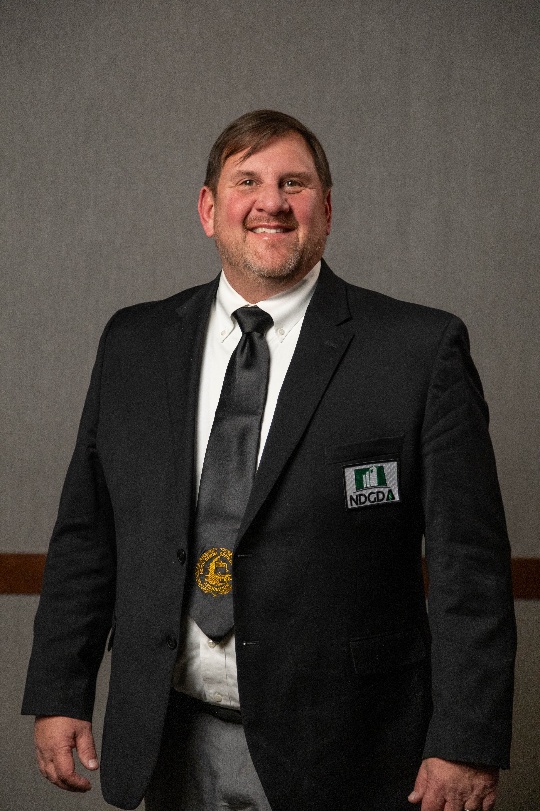


ANDA committees guide the work of the association and give members a direct voice in ANDA's priorities and programs.
Monitors and engages with state and federal legislation affecting the grain and agribusiness industry. Coordinates ANDA's advocacy efforts at the Capitol.
Oversees the ANDA Educational Foundation, including scholarship selection, equipment grant decisions, and campus partnerships.
Provides guidance and oversight to the ANDA Safety & Health Program, including program direction and industry outreach.
Manages the self-funded health trust, including plan design, actuarial reviews, and member communications.
Plans and oversees the annual ANDA Agribusiness Showcase, including speaker selection, trade show management, and logistics.
Focuses on member recruitment, retention, and engagement — ensuring ANDA delivers strong value to both grain and agribusiness members.
Our staff is here to serve ANDA members across North Dakota. Don't hesitate to reach out - we're happy to help.




The Farmers Grain Dealers Association of North Dakota was organized at a meeting of farmers and grain elevator operators in Devils Lake, ND, on May 23, 1911. The name was changed to North Dakota Grain Dealers Association in 1975. In 1911, there were approximately 2,000 grain elevators in North Dakota — most with a 25,000–30,000 bushel capacity.
The first issue dealt with at the original meeting was developing a uniform system of bookkeeping for farmers elevators. Throughout its history, the Association has had issues with railroads — rates, service, car supply and lease provisions. In 1981, the Association conducted a major political and media campaign against Burlington Northern Railroad's branch line abandonment plans. BN responded with an $80 million, 800-mile rail line rehabilitation project.
The Association has been active in the North Dakota state legislature on issues like statutory liens, the central notice system on liens and crop mortgages, storage rates, licensing and bonding, and more. It works closely with the Public Service Commission, which regulates grain elevators, toward a healthy industry serving customers with integrity.
In 1980, the Association established the North Dakota Grain Dealers Educational Foundation. In 1994, the self-funded health trust was started. In 1995, the Safety and Health Program began — now serving more than 200 grain elevator locations across ND and Minnesota, recognized by OSHA as a very positive step.
| Year | Number of Elevators | Avg Capacity (bushels) |
|---|---|---|
| 1915 | 2,031 | 29,800 |
| 1940 | 1,155 | 39,000 |
| 1960 | 832 | 144,700 |
| 1980 | 592 | 263,300 |
| 2000 | 443 | 569,500 |
| 2010 | 399 | 890,700 |
| 2015 | 381 | 1,182,300 |
Over 900 million bushels of grains and oilseeds are handled by North Dakota grain elevators each year. Roughly 84% moves by rail and 16% by truck. Wheat tops the list with about 300 million bushels; corn is second at about 170 million bushels.
ANDA membership is open to businesses and individuals engaged in the commercial grain and agribusiness industries in North Dakota.